
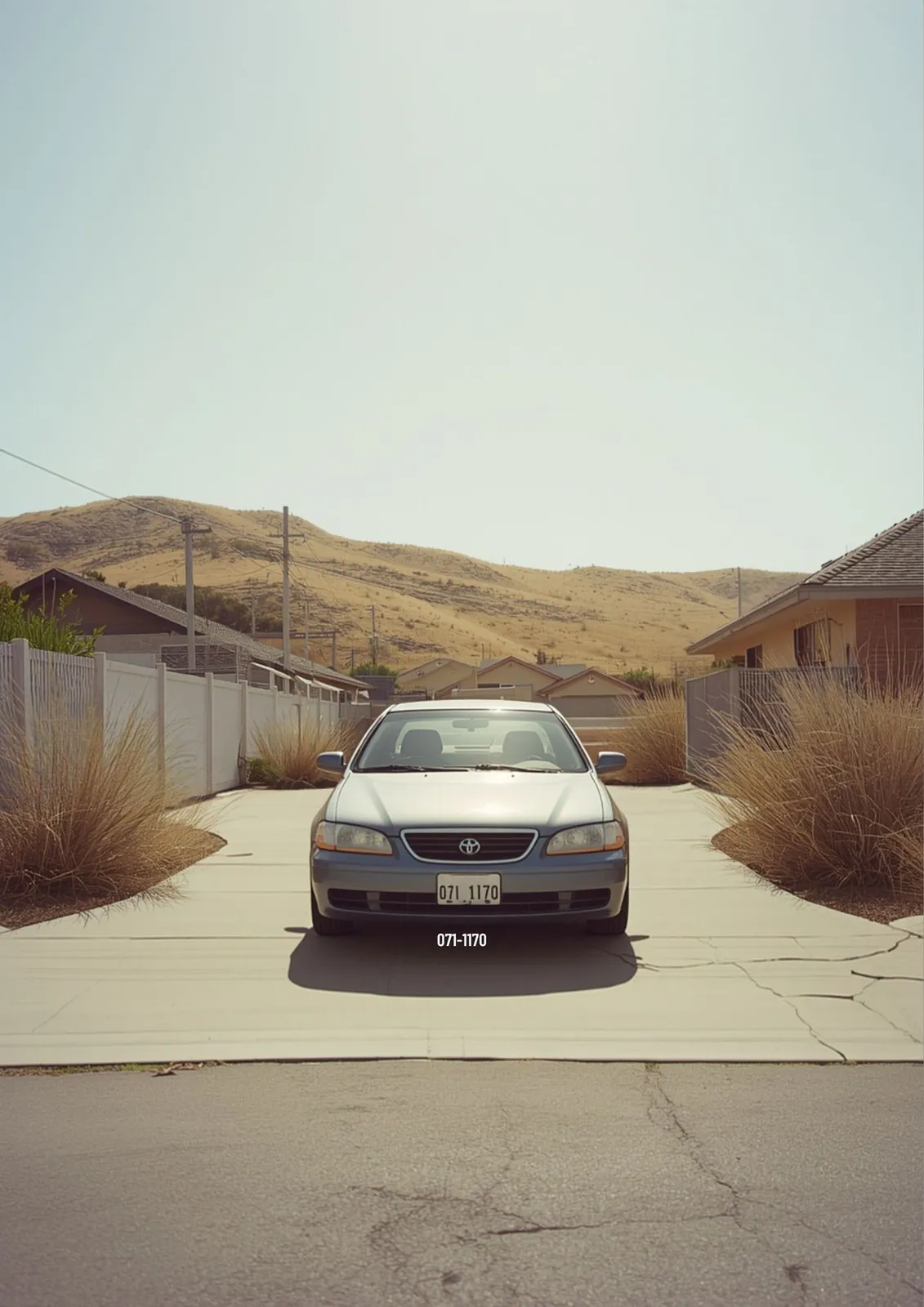
You park in an El Cajon driveway on a July afternoon, and by the time you're back out the dashboard is too hot to rest a hand on for long. Do that for years in an older work truck or hand-me-down sedan, and the dashboard develops a hairline crack near the vents, the black bumper trim goes chalky gray, and a fine layer of dust seems to reappear within days of every wash. If you moved inland from the coast, none of this matches what you're used to. The honest truth is, it isn't the same kind of damage.
Inland San Diego Isn't Fighting the Coast's Problem
Most car-care advice written for "San Diego" is really written for the coast: salt air pitting chrome, marine layer humidity, hard water spotting from sprinkler overspray. None of that is what's actually aging cars in El Cajon, Santee, Ramona, or Alpine. Inland San Diego runs a genuinely different climate, and it does a genuinely different kind of damage. El Cajon and Santee average around 86°F in July, roughly 10 degrees hotter than the coast's 75–76°F average that same month (Weather Spark). That heat comes paired with drier air, more direct sun, and, especially once Santa Ana wind events start, more dust settling on paint between washes.
What the Extra Heat Actually Does Inside the Car
Sun coming through the windshield and side glass keeps working on the dashboard, door panels, and seats long after you've parked in the shade. It slowly breaks down the plasticizers that keep those surfaces flexible and dark, the same mechanism behind why exterior black trim fades from deep black to chalky gray. Inland, the extra 10 degrees just speeds the whole process up, on interior plastic and leather too, not only the bumper. That's the slow, seasonal version. On an actual heat-wave day, the same damage happens a lot faster.
Actual cracking is mostly an older-vehicle problem. Cars built with more UV-resistant interior plastics, generally from the mid-2000s on, hold up noticeably better than older vehicles that used cheaper materials with fewer UV stabilizers. A newer daily driver is unlikely to crack outright from a few inland summers. What it will still do is fade and dull faster than the same car parked at the coast, since that surface-level plasticizer breakdown starts well before a dashboard actually splits.
Washing More Often Actually Helps a Lot
Dust is the other half of it, and the fix here is simpler: wash more often than you would at the coast. Every wash clears loose dust off the paint before it has a chance to get ground in the next time you touch the car, so more frequent washing is one of the most effective things an inland car owner can do. The part that still needs care is technique, rinse first, then the two-bucket method, so the dust already on the surface gets floated away instead of dragged across the clear coat by a dry towel or a dirty mitt. For dust that's been baking on for weeks and no longer rinses off, a full decontamination wash and clay bar pass lifts what a regular wash can't, which is also the right prep before any wax or ceramic coating goes on.
This isn't just an El Cajon story. Santee, Ramona, Alpine, Lakeside, and Poway all sit in the same inland heat pocket, further from the ocean's cooling effect and closer to the valleys and canyons that funnel Santa Ana winds through. A car parked outside in any of those areas is dealing with the same combination of extra heat and extra dust, just with the exact temperature and wind exposure shifting a little block by block.
What Actually Slows This Down
Condition interior plastic, leather & vinyl before it fades, not after. A professional plastic, leather & vinyl treatment is a conditioner for interior surfaces, protecting the dashboard, door panels, and seats from ongoing UV and heat exposure, unlike a store-bought dashboard spray that sits on top and wears off within days. It's maintenance, not a fix for trim that's already cracked.
Decontaminate before protecting. A full wash and clay bar pass before sealant or ceramic coating means the protective layer bonds to genuinely clean paint, not to a layer of trapped grit.
Cut direct sun exposure where you can. Shade or a windshield sunshade won't undo damage that's already there, but it slows how fast new damage builds up.
None of this means an inland car is doomed, it just needs a slightly different approach than the coastal advice most detailing content is written for. If your exterior trim has already gone gray, it's usually still worth restoring rather than replacing. If your dashboard or seats have already faded, conditioning won't reverse that, but it protects what's left and slows how much worse it gets. Either way, that's something we can tell you honestly during a normal detail, not talk you into guessing at home.